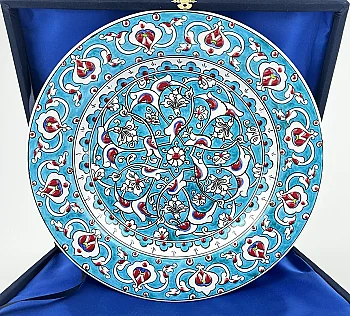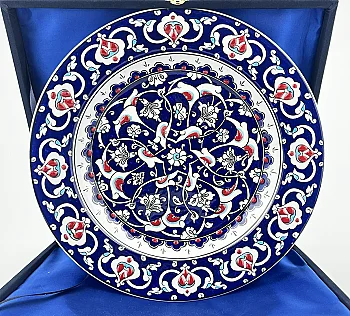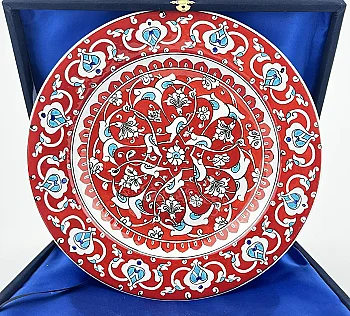

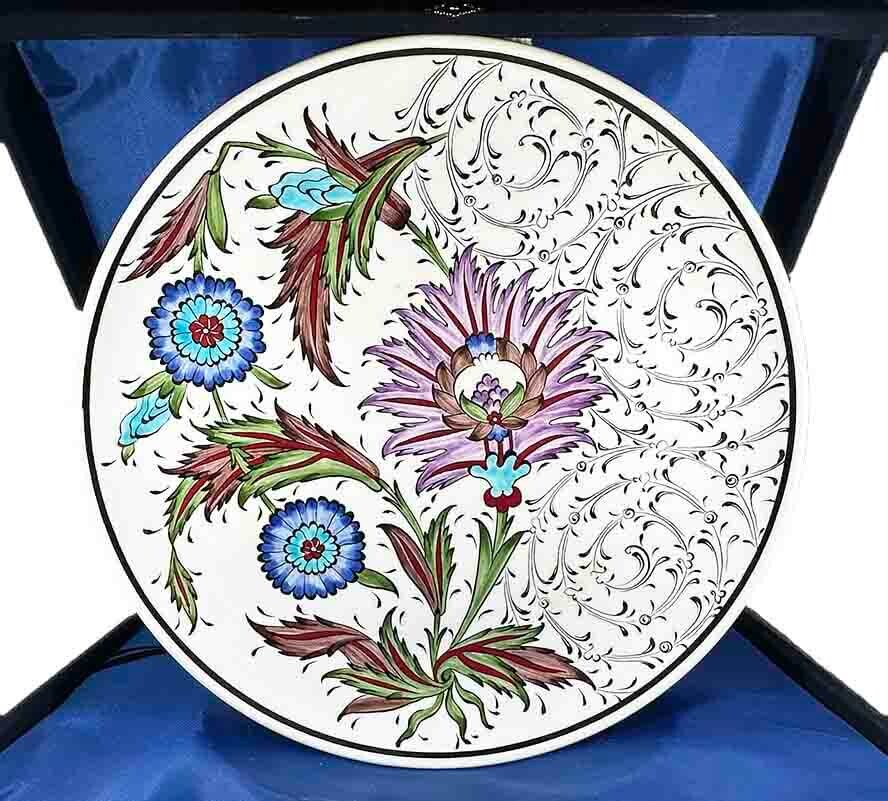



Milletvekiline VIP Hediye 30 cm İznik Çini Tabak
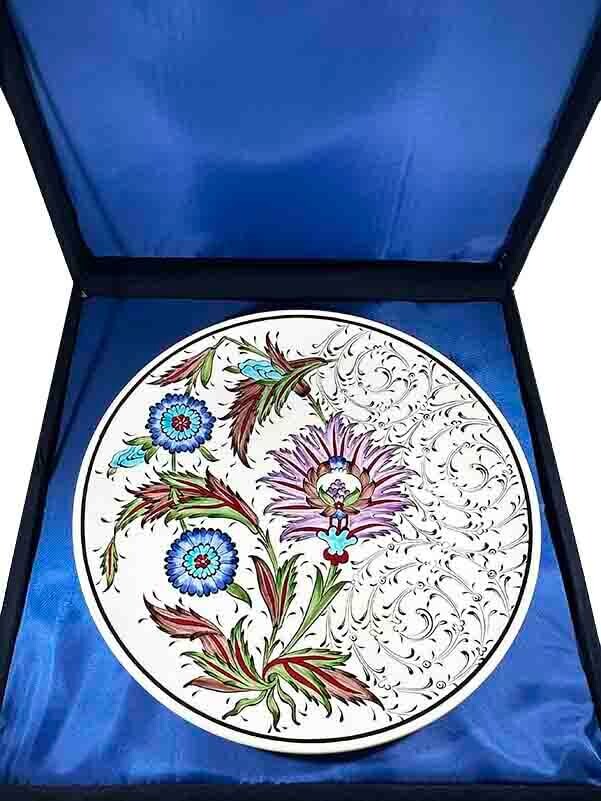
Çini Evi özel tasarım 30 cm İznik Çini Tabak, tamamen el işçiliğiyle hazırlanmış, geleneksel İznik çini sanatını seçkin bir hediye sunumuyla bir araya getiren özel bir eserdir.
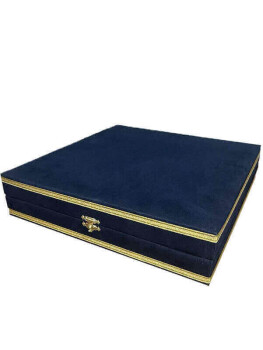
Kadife kaplı VIP ahşap kutusu, ürüne özel tekil sertifikası ve özenli sunumuyla; milletvekilleri, üst düzey yöneticiler, protokol mensupları ve resmi ziyaretler için prestijli bir hediye seçeneğidir.
Ürün Özellikleri
- Üretim: Tamamen el işi
- Teknik: Geleneksel sır altı İznik çini tekniği
- Çap: 30 cm (11.81 inç)
- Fırınlama: 800–1000 °C
- Sunum: Kadife kaplı VIP ahşap kutu
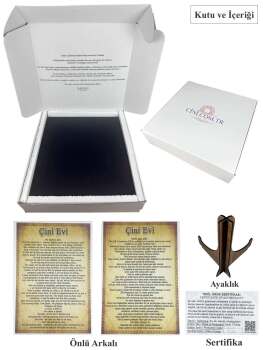
- Sergileme: Kutu içerisinde masaüstü ayaklık bulunur
- Duvar kullanımı: Duvara asılmaya uygundur
- Paketleme: Ultra korumalı özel paketleme
- Kargo: Aynı gün kargoya teslim
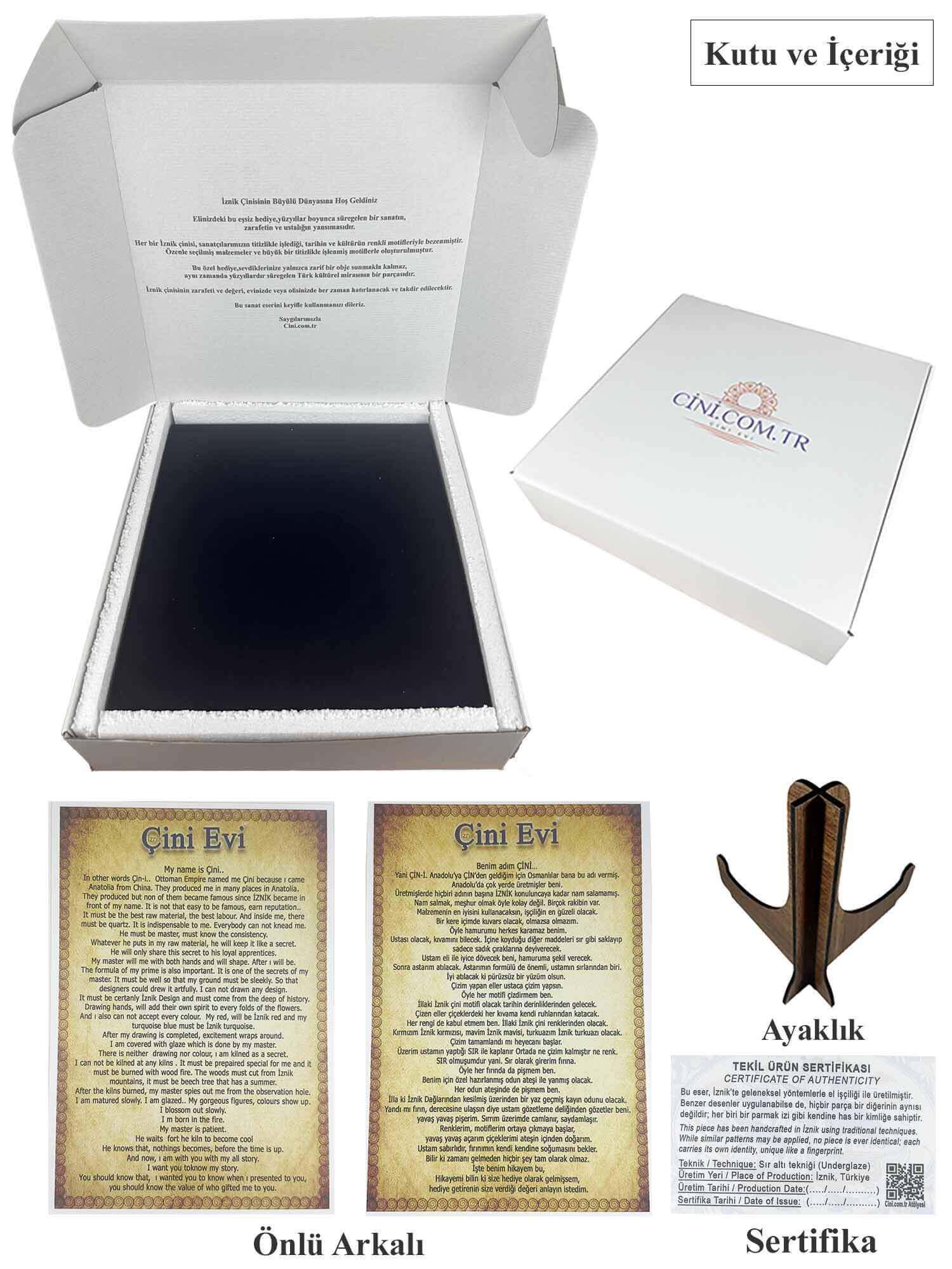
- Bilgilendirme: Kutu içerisinde İznik çinisini tanıtan Türkçe ve İngilizce açıklama bulunur
- Sertifika: Ürüne özel tekil ürün sertifikası ile gönderilir
Ürüne Özel Tekil Sertifika
Bu İznik çini tabak, ürüne özel tekil sertifikası ile birlikte sunulur. Sertifika, satın alınan eserin Çini Evi koleksiyonuna ait el işi bir İznik çinisi olduğunu belgeleyen ve VIP sunumu tamamlayan özel bir unsurdur.
El işçiliğiyle hazırlanan her üründe fırça hareketleri ve uygulama detayları doğal olarak farklılık gösterebildiğinden, sertifika doğrudan satın alınan esere eşlik eder.
VIP Protokol Hediye Sunumu
Ürün, kadife kaplı VIP ahşap kutusu içerisinde sunulur. Kutu içerisinde bulunan masaüstü ayaklık sayesinde çini tabak masa, makam odası veya vitrinde sergilenebilir; aynı zamanda duvara asılmaya uygundur.
VIP kutu, tekil ürün sertifikası ve Türkçe–İngilizce bilgilendirme metniyle hazırlanan sunumu sayesinde ayrıca hediye paketi hazırlamaya ihtiyaç duyulmadan takdim edilebilir.
Aynı gün kargoya teslim avantajıyla resmi ziyaretler, özel davetler ve kısa süre içerisinde hazırlanması gereken kurumsal hediyeler için de uygun bir seçenektir.
Kime Hediye Edilir?
Geleneksel Türk sanatını temsil eden prestijli ve kalıcı bir hediye arayanlar için; milletvekillerine, bürokratlara, belediye başkanlarına, üst düzey yöneticilere, kurum temsilcilerine, akademisyenlere ve yabancı misafirlere takdim edilebilecek seçkin bir alternatiftir. Makam ziyaretleri, teşekkür hediyeleri, göreve başlama, resmi davetler ve kurumsal organizasyonlarda tercih edilebilir.
Desen Bilgisi
Haliç Motifi: İznik çini sanatında kullanılan geleneksel bezeme anlayışlarından biri olan Haliç üslubu, ince ve kıvrımlı bitkisel düzenlemeleriyle kendine özgü bir görünüme sahiptir.
Sazlık Motifi: Doğadan ilham alan sazlık bezemeleri, İznik çinilerinin bitkisel desen repertuvarı içerisinde zarif ve hareketli kompozisyonlar oluşturur.
Şam Üslubu: Stilize çiçekler ve farklı bitkisel öğelerin bir araya getirildiği Şam üslubu, klasik Osmanlı ve İznik çini süsleme geleneğinde dikkat çeken dekoratif yaklaşımlardan biridir.
VIP kutulu, sertifikalı ve el işi İznik çini tabak; hem taşıdığı geleneksel sanat değeri hem de hazır hediye sunumuyla resmi ve kurumsal takdimler için özel olarak öne çıkar.